

A typical public speech or other stressful situation can cause changes in blood. This is the conclusion reached by researchers after a laboratory experiment with volunteers.
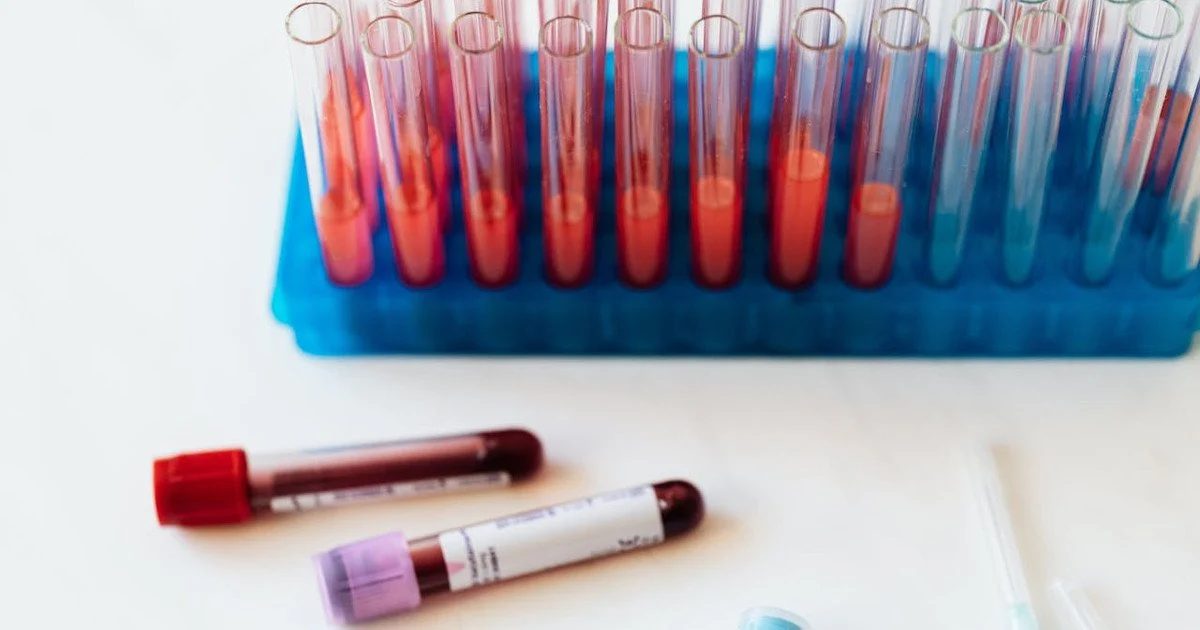
Blood / © pexels.com
Psychological stress affects not only a person’s emotional state but also triggers real biological processes in the body. New research has shown that even short-term nervous tension can alter blood structure.
This was reported by Science Alert.
Although scientists have long linked chronic stress to an increased risk of cardiovascular diseases, the mechanisms of such an impact remained not fully understood. The authors of the new study suggested that oxidative stress plays a crucial role in this process – a state in which the number of free radicals in the body sharply increases in response to psychological load.
To test this hypothesis, researchers conducted a randomized controlled crossover study involving eight healthy men aged 18 to 30. Each of them underwent the experiment twice with a one-week interval: during one visit, they were in a state of rest, and during another, they underwent the Trier Social Stress Test – one of the most common methods for simulating acute psychological load.
During the test, volunteers first had to prepare a speech in five minutes and then perform in front of a camera and a jury whose members intentionally showed no emotions. Immediately before the performance, all their notes were taken away. After that, participants performed a mental arithmetic task: counting backward from 2003, subtracting 17 each time. If a person made a mistake, they had to start the calculation from the beginning.
Blood samples were taken from all participants before and after each session. The level of free radicals was determined using highly sensitive electron paramagnetic resonance spectroscopy. Researchers also studied the structure of the formed clots to assess how stress affects blood clotting at the microscopic level.
The results showed that after resting, the blood composition hardly changed. In contrast, after the stress test, scientists recorded a simultaneous increase in the level of free radicals and noticeable changes in the structure of clots. They became larger and denser, containing more fibrin – a protein that forms the basis of a blood clot. Furthermore, researchers found signs of activation of the intrinsic pathway of blood coagulation.
At the same time, the hypothesis that stress causes clotting by increasing blood density or viscosity was not confirmed. Scientists found no signs of its thickening. In their opinion, psychological load primarily alters the properties of the clot itself, rather than the physical characteristics of the blood.
The authors of the work emphasize that the obtained results do not mean that one stressful situation or a difficult day will necessarily lead to a heart attack or stroke. Cardiovascular diseases arise under the influence of a complex set of factors. At the same time, the study helps to better understand which biological processes can link psychological stress with an increased risk of such diseases.
Scientists also drew attention to the study’s limitations. Only eight young healthy men participated in it, so more extensive studies involving women, older people, and patients with cardiovascular diseases are needed to confirm the findings. Researchers believe that in the future, this data may form the basis for new approaches to the prevention of cardiovascular diseases that will take into account not only the psychological impact of stress but also the biochemical changes it triggers in the body.
Recall that prediabetes is no longer considered just a “first warning sign” before diabetes. Scientists have established that restoring blood sugar levels to normal can almost halve the risk of death from cardiovascular diseases.
Comments Sort by: New Old Popular Send