

Ancient skull approximately one million years old compels scientists to revise old views on human evolution.
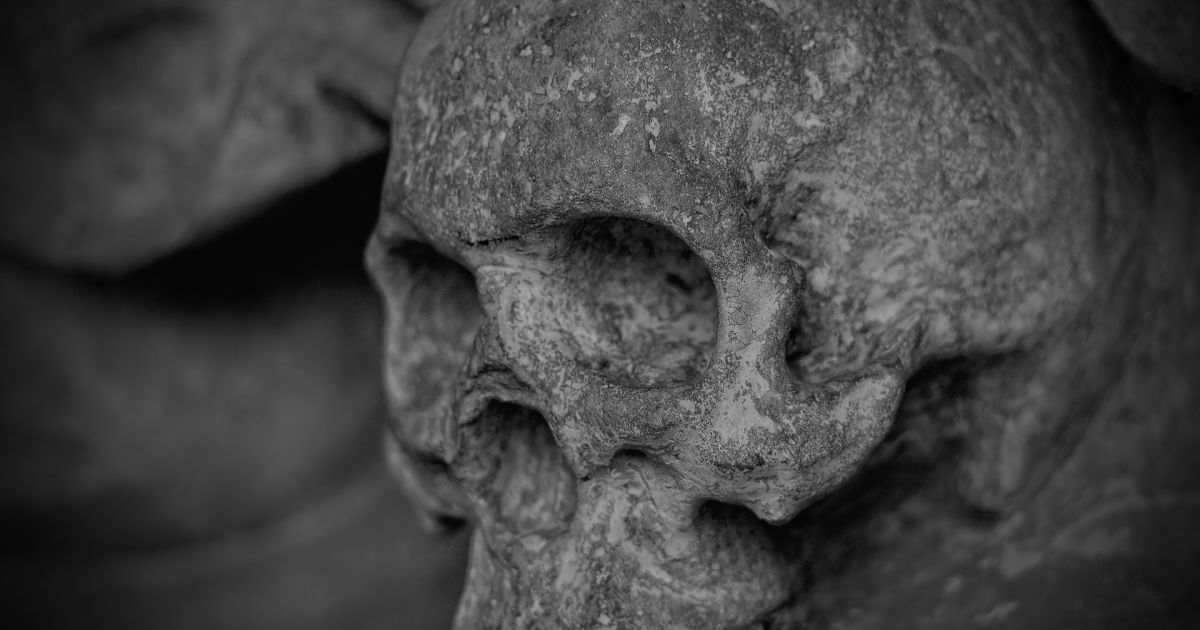
Skull / © Pexels
A fossil skull, dating back approximately one million years, discovered in China in the early 1990s, may lead scholars to re-evaluate their understanding of early human evolution. Following a re-examination using modern technologies, specialists have concluded that different human lineages might have diverged significantly earlier than previously believed.
This was reported by the publication Daily Galaxy.
The fossil in question is the Yunxian 2 skull, unearthed in central China in 1990. For a considerable period, it was attributed to the species Homo erectus; however, a new study published in the journal Science has challenged this classification. Scientists have identified a set of anatomical features within it that do not align with any known categories of ancient hominins.
To conduct a detailed analysis, researchers employed computed tomography, structured light scanning, and virtual reconstruction technologies. Furthermore, they generated precise 3D replicas of the skull, enabling a thorough investigation of its shape and structure.
The reconstruction revealed an unusual combination of traits. The lower facial region exhibits characteristics typical of Homo erectus, yet other features bear resemblance to both Homo longi, informally known as “dragon man,” and modern humans—Homo sapiens.
During the research, Yunxian 2 was compared with over 100 other fossil remains. The study’s authors note that such a blend of anatomical characteristics is seldom encountered among fossils of this age. One of the researchers, Xijun Ni from Fudan University, told the BBC that the team repeatedly verified their findings using various models and reconstruction methods before reaching their definitive conclusions.
In the scientists’ opinion, this discovery could shed light on the so-called “Middle Gap”—a period between approximately one million and 300,000 years ago, which remains one of the least understood phases of human evolution.
Paleoanthropologist Chris Stringer believes that Yunxian 2 might indicate the existence of distinct branches of ancient humans as early as a million years ago. If this hypothesis is confirmed, key evolutionary branching points would need to be dated approximately 400,000 years earlier than previously thought.
The researchers also do not rule out the possibility that such an early divergence could signify an earlier emergence of the ancestors of Neanderthals and Homo sapiens. They suggest that the unique combination of traits observed in Yunxian 2 could help improve our understanding of the development of human populations during that era.
However, not all scientists are ready to draw definitive conclusions. Michael Petraglia pointed out that the findings could significantly alter perceptions of East Asia’s role in human evolution, but this requires further substantiation. Evolutionary geneticist Alistair Skelly shares a similar view, deeming the new interpretation compelling but emphasizing the need for additional research, particularly genetic studies.
Earlier, a recent genetic study of prehistoric burials completely rewrote the history of the world’s most famous pandemic, proving that the disease killed humanity on a massive scale thousands of years earlier than previously believed.
Comments Sort: New Old Popular Send