

The world is facing an unprecedented threat of large-scale falsifications that easily bypass the strictest checks and question the competence of leading global experts.
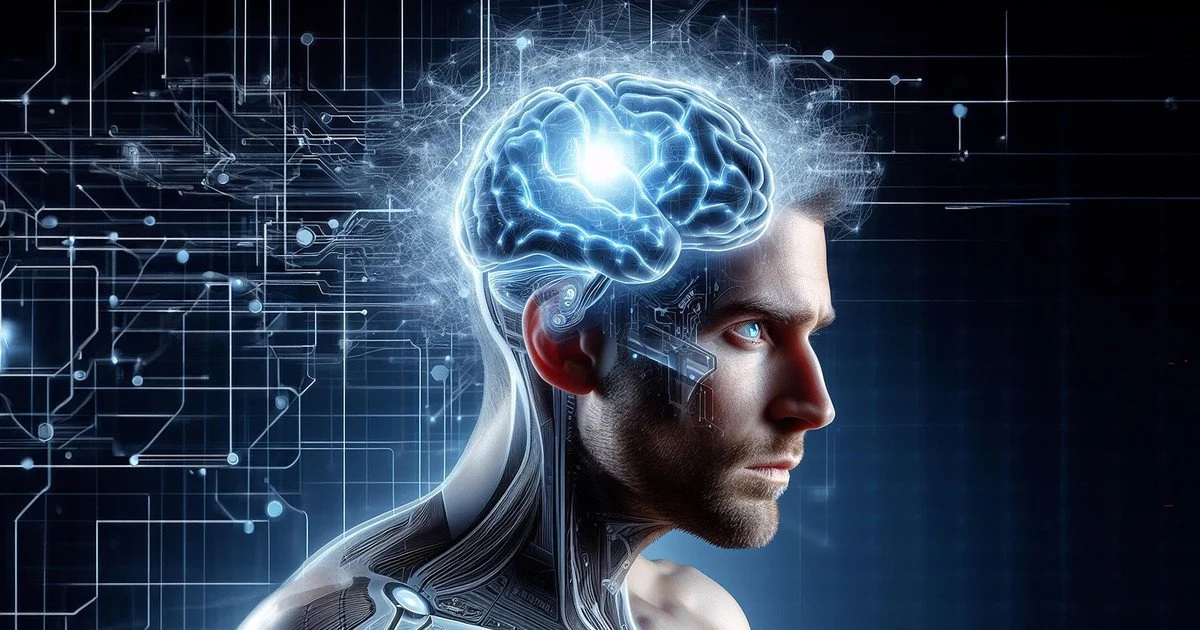
Artificial intelligence has learned to create images that even experts find hard to distinguish / © Pixabay
The widespread use of generative artificial intelligence has led to fake visual materials infiltrating public spaces and serious academic publications. Since any user can create a realistic image from a simple text prompt in seconds, traditional methods of visual confirmation for scientific discoveries are rapidly losing their reliability.
This is reported by The Conversation.
Fakes in authoritative journals
Artificial intelligence tools are already actively changing how scientific visualizations are created, disseminated, and published. Researchers are increasingly using them to generate illustrations, create synthetic data, or edit laboratory images. However, such widely accessible technologies completely blur the line between useful photographic enhancement and outright fabrication of facts.
In April 2026, the reputable medical journal New England Journal of Medicine was forced to retract an article after the discovery of a generated clinical image. Earlier, two other scientific publications containing biologically impossible structures met a similar fate. Developers of detection systems are trying to combat this issue, but their detectors will always lag behind new generation technologies.
Crisis of trust and solutions
For decades, scientific images from microscopes or spacecraft have commanded unquestioning public trust, as their creation required expensive equipment and unique expertise. Today, when visual quality is no longer a reliable indicator of truth, people are beginning to reject genuine evidence and believe only in fake news that confirms their own biases. This dangerous phenomenon threatens a total crisis of confidence in the entire scientific community.
“If the audience stops trusting visual evidence altogether, science will lose one of its most powerful tools for public communication,” emphasize the researchers.
To halt the spread of disinformation, scientists urge us to treat the origin of images with the same seriousness as the origin of research data. Authors must honestly and transparently indicate whether artificial intelligence was used to create or modify specific material. Transparency and adherence to professional standards are currently the only ways to preserve the credibility of visual evidence in the era of neural networks.
Recall that artificial intelligence created 400 finance research papers in 12 hours, which reviewers could not distinguish from human-written ones. Research by American scientists has cast doubt on the effectiveness of the modern scientific oversight system.
Comments Sort: New Old Popular Send