

Scientists have discovered significantly more dangerous microbes in unexpected patient locations than standard laboratory tests indicated.
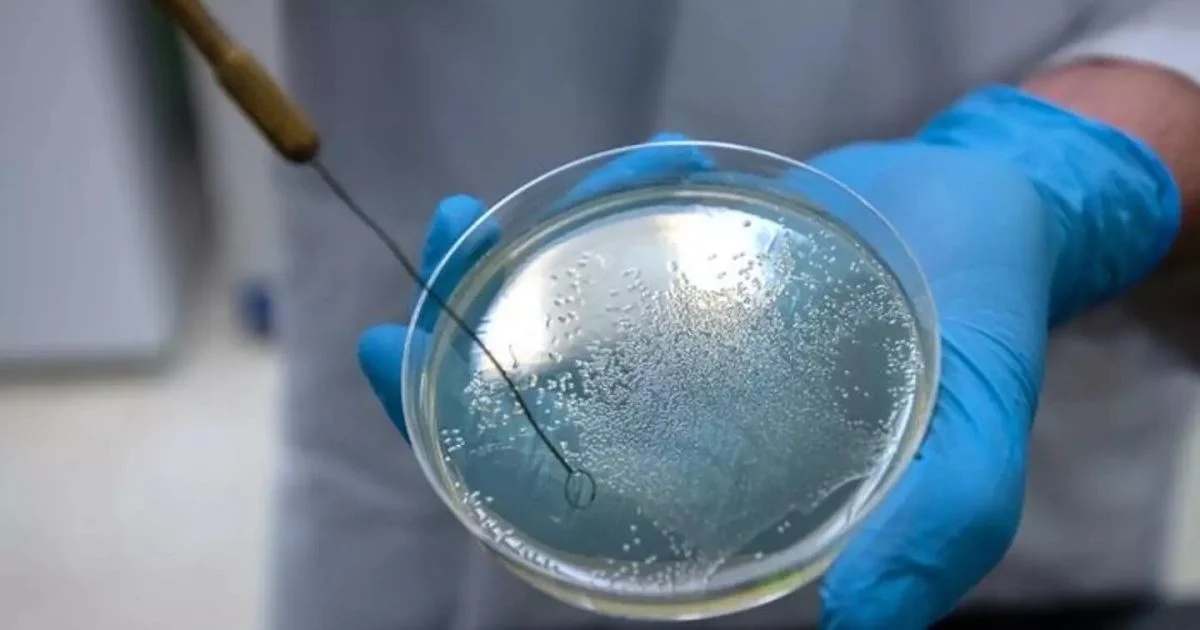
Scientists study bacteria
Conventional methods for detecting antibiotic-resistant bacteria may miss a substantial number of hazardous microorganisms. Resistant bacteria colonize the skin of elderly individuals extensively, remaining undetected by traditional diagnostics.
This is reported by Earth.com, referencing a new study published in the journal Nature Communications.
Researchers analyzed samples taken not only from the nose and perianal area but also from the armpits and groin of residents in California nursing homes. It was in these locations that a considerably higher number of dangerous microbes were found compared to what standard laboratory tests revealed.
The Invisible Threat on the Skin’s Surface
The study involved 38 individuals from 15 long-term care facilities. Scientists employed three different analytical methods, including full DNA sequencing of the skin microbiome.
Traditional laboratory cultivation of bacteria identified resistant organisms in only about one in every four participants. However, genetic analysis showed that one resistant strain of E. coli was present on the skin of 27 out of 38 residents, meaning in almost 70% of cases.
The reason for this discrepancy is that standard tests only look for specific resistance markers, whereas bacteria can possess other genes that confer antibiotic insensitivity.
Bathing Does Not Eliminate Dangerous Microbes
The researchers also investigated whether hygiene practices affect the presence of bacteria. Swabs were collected 12–48 hours after residents bathed.
The results were unexpected: in half of the carriers, the dangerous E. coli strain persisted even after bathing. This suggests that the skin is not a temporary site of contamination but a stable habitat for the survival and multiplication of drug-resistant microorganisms.
One Strain – Nine Facilities
Scientists determined that the dominant E. coli strain was almost genetically identical among residents of nine different nursing homes.
Such similarities indicate the transmission of bacteria between individuals or the presence of a common source of spread. A similar pattern was observed for a resistant strain of Staphylococcus epidermidis, which is often associated with infections involving medical implants and catheters.
The researchers also documented instances where patients simultaneously carried identical strains of several different bacteria, potentially suggesting the exchange of resistance genes among these microorganisms.
The Need for New Diagnostic Approaches
The study authors emphasize that standard nasal and rectal swabs significantly underestimate the scale of the problem.
In their view, routine screenings should include skin examinations, particularly of the armpit and groin areas, and traditional culturing methods should be combined with DNA analysis.
Given the aging population and the increasing number of individuals in long-term care facilities, the early detection of hidden reservoirs of resistant bacteria could become a crucial factor in combating future infections.
As a reminder, researchers recently identified a new bacterium, Escherichia albertii, in raccoons. This pathogen has already been responsible for several large outbreaks of acute food poisoning in humans.
Comments Sort by: New Old Popular Submit